Because safety alerts shouldn’t arrive after the damage is done.
Safe Recall Alerts (SRA) brings scattered, delayed recall information into one clear, timely stream—so people can act before risk becomes reality.
FROM UNITED STATES
LATEST BLOGS
-
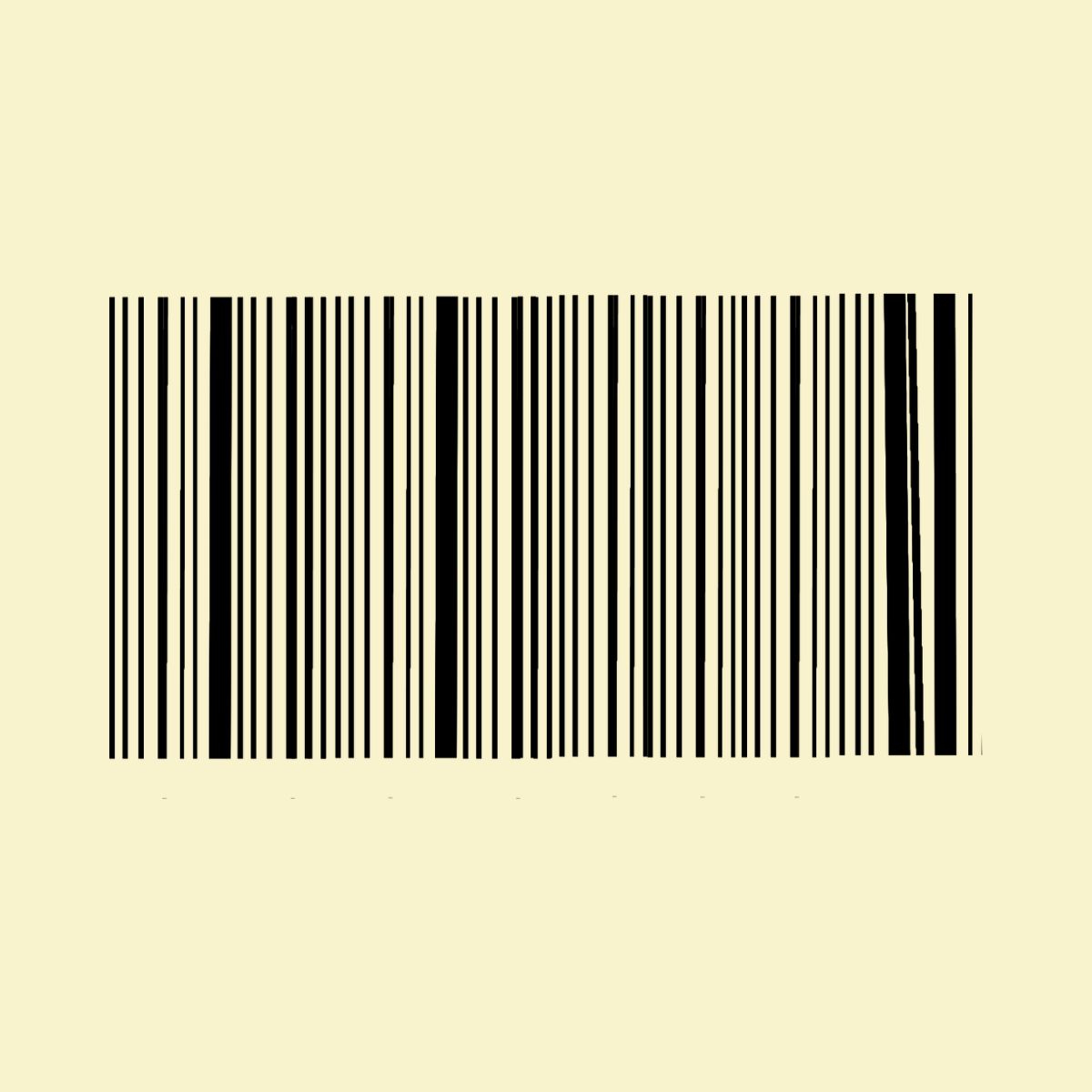
Barcode vs. Batch Code: Understanding the Difference
Consumers often confuse barcodes and batch codes, yet they serve very different purposes in product identification. Barcodes are universal identifiers used for sales and inventory tracking, while batch codes indicate a specific production run and are critical for tracing products, quality control, or safety issues. Recognizing the difference helps consumers and businesses identify production details accurately. Official guidance from authorities, including the FDA and UK Food Standards Agency (FSA) , emphasizes checking batch codes when assessing specific production information, rather than relying solely on barcodes.
-
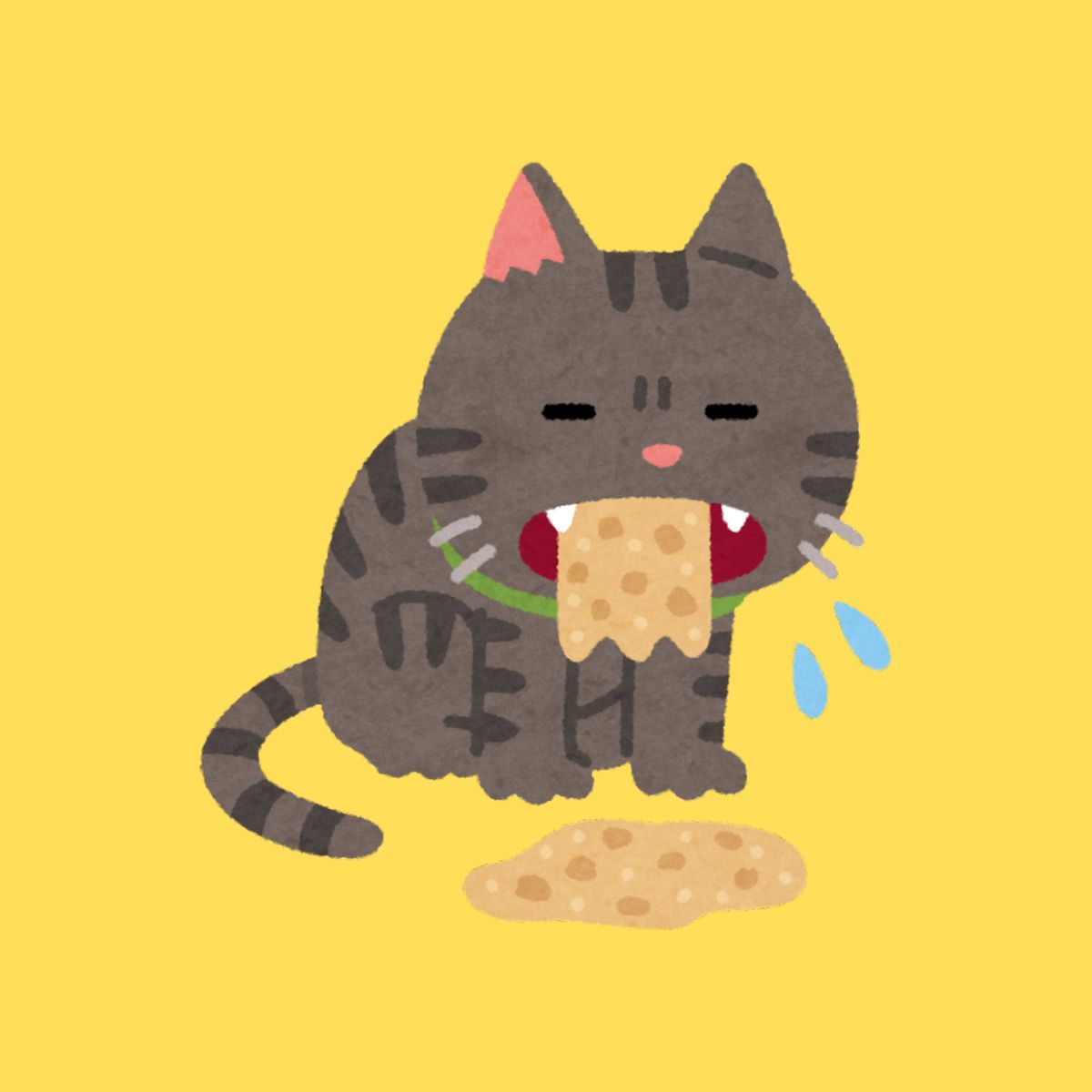
Difference Between Allergy in Animals Due to Recalled Food or Their Own Allergy
Distinguishing between an allergic reaction in animals caused by recalled food and an animal’s own food allergy is vital for pet owners. Recalled food reactions often result from contaminants, toxins, pathogens, or undeclared ingredients in a specific batch or product, as highlighted in official recall guidance from authorities such as the U.S. FDA and UK pet food recall guidance. In contrast, individual pet food allergies stem from the animal’s immune response to specific ingredients. Knowing the difference helps ensure proper treatment, preventive action, and communication with a veterinarian.
-
Allergic Reactions in Animals After Consuming Recalled Food
Animals can experience allergic reactions or other serious health effects after eating contaminated, mislabeled, or recalled pet food. When a pet food product is recalled due to contamination (such as bacteria, toxins, or undeclared ingredients), pets may show signs ranging from skin irritation and vomiting to respiratory distress and potentially life‑threatening anaphylaxis. Early recognition and veterinary care are critical to avoid permanent harm. Pet owners should monitor pets closely after any known exposure to recalled food, follow official recall guidance from national food safety authorities, and take preventive steps to protect their animals’ health.
-
Severe Dehydration After Eating Food: Causes, Symptoms, and What to Do
Severe dehydration can occur after consuming contaminated or recalled food, especially when the body loses fluids rapidly due to vomiting or diarrhea. While mild dehydration may cause thirst and fatigue, severe dehydration is a medical emergency that can lead to dizziness, rapid heartbeat, low blood pressure, and even organ failure. Recognizing early warning signs is critical, particularly for children, elderly individuals, and people with weakened immune systems. Understanding the connection between recalled food, foodborne illness, and dehydration helps in taking prompt action, preventing complications, and seeking timely medical care to restore health safely.
-
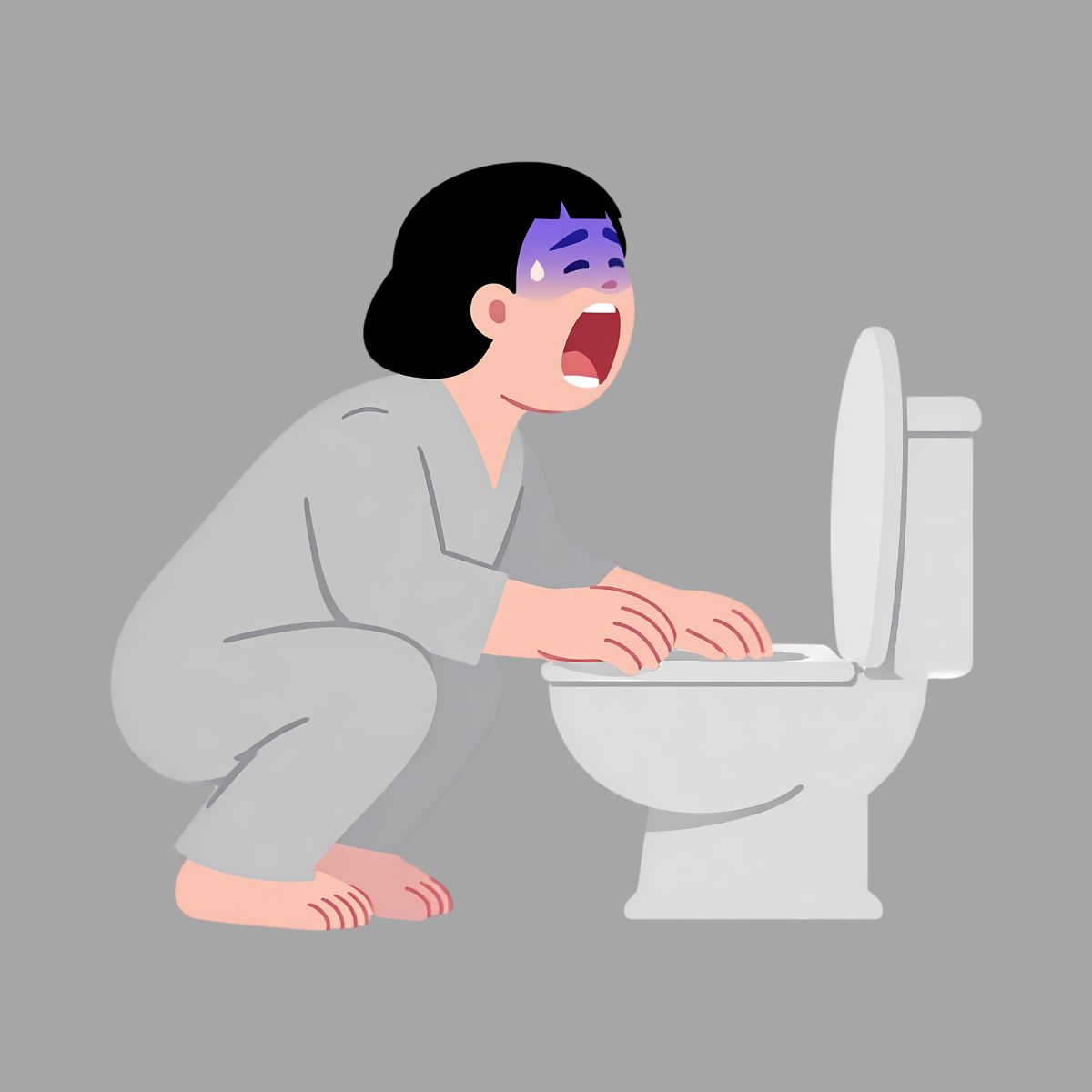
Food Recall Symptoms: How to Recognize Illness After Eating Recalled Food
Food recalls are issued when products may pose a health risk—but many people don’t realize they’ve consumed affected food until symptoms appear. These symptoms can range from mild stomach discomfort to severe, life-threatening conditions depending on the type of contamination involved. Common signs include nausea, vomiting, diarrhea, and fever, but some recalls involve allergens or dangerous bacteria that cause delayed or unusual reactions. Understanding the symptoms linked to recalled food is critical for early intervention, preventing complications, and protecting vulnerable individuals such as children, pregnant women, and those with weakened immune systems.
-
The Difference Between a “Market Withdrawal” and a “Safety Recall”
Not all product removals mean danger—but knowing the difference could protect your health. Many consumers confuse safety recalls with market withdrawals, leading to unnecessary panic or, worse, ignoring serious risks. This guide explains how safety recalls involve real health hazards requiring immediate action, while market withdrawals are often precautionary and low-risk. By understanding these distinctions, you can respond appropriately, avoid confusion, and make better decisions when alerts are issued. Learn how to identify each type, what actions to take, and how to stay informed without overreacting in situations involving product safety.
-

What to Do If You’ve Eaten Recalled Food: A 5-Step Safety Guide
Accidentally consumed a recalled food product? Knowing what to do next can make a critical difference. Food recalls often involve contamination risks like bacteria, allergens, or toxins that may not show immediate symptoms. This guide walks you through five essential steps—from identifying the affected product and monitoring symptoms to seeking medical help and reporting the issue. Whether you feel fine or start noticing warning signs, taking the right actions early can reduce health risks and prevent complications. Learn how to respond calmly, protect your health, and stay informed with reliable food safety practices.
-
How to Find the Batch Code on Common Household Products (With Examples)
Batch codes are the key to knowing whether a product in your home is part of a recall—but most people don’t know where to find them. These small, often overlooked numbers can determine whether a product is safe to use or should be avoided immediately. In this guide, you’ll learn exactly where to locate batch or lot numbers across food items, cosmetics, baby products, and electronics. With practical examples and tips, this article helps you quickly identify critical product details, avoid common mistakes, and respond effectively to recall alerts. A must-read for anyone serious about product safety.