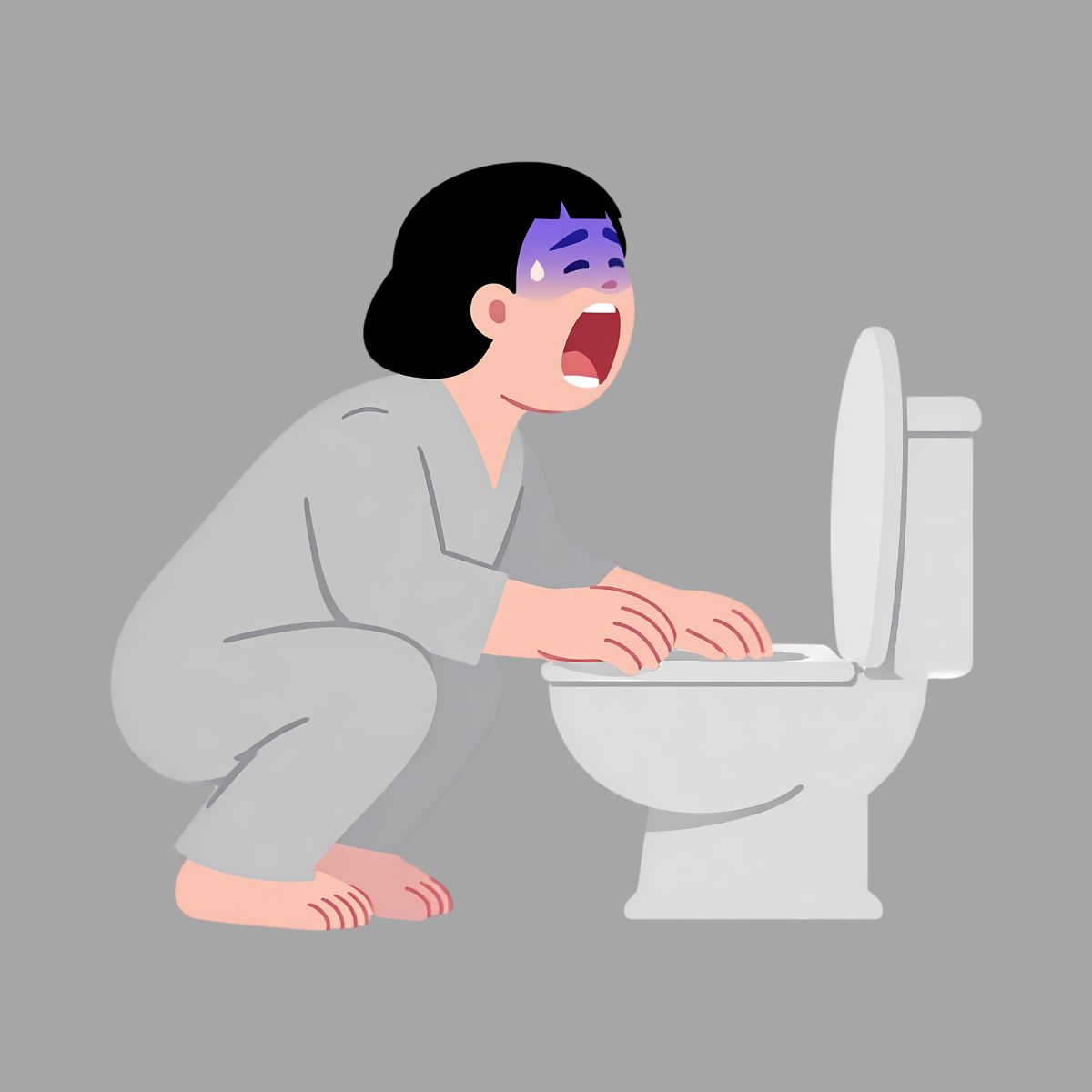
Contaminated food recalled for safety reasons—such as bacterial contamination (Salmonella, E. coli, Listeria), viruses (norovirus), or chemical toxins—can cause foodborne illness, leading to vomiting and diarrhea. These symptoms rapidly deplete the body’s fluids and electrolytes. When fluid loss exceeds intake, dehydration occurs, which can escalate from mild to severe in hours if untreated (CDC – Foodborne Illness).
Certain recalled foods, like improperly handled dairy, meats, or ready-to-eat products, are more commonly associated with dehydration-inducing illnesses (FDA – Food Recalls).
Symptoms of Severe Dehydration
Severe dehydration may appear after consuming contaminated food and usually requires urgent medical attention. Symptoms include:
- Extreme thirst and dry mouth
- Little or no urination, or dark-colored urine
- Dizziness or lightheadedness
- Rapid heartbeat or weak pulse
- Sunken eyes or cheeks
- Fatigue or confusion
- Low blood pressure
- In infants: sunken soft spot (fontanelle) and unusual sleepiness
Recognizing these symptoms early can prevent life-threatening complications (WHO – Food Safety & Hydration).
Who Is Most at Risk?
Certain groups are especially vulnerable to severe dehydration after consuming recalled food:
- Infants and young children – smaller fluid reserves, faster dehydration
- Elderly individuals – often have reduced thirst perception
- People with weakened immune systems – more prone to severe infection
- Pregnant women – dehydration can affect both mother and fetus
Prompt recognition and treatment are critical for these populations (CDC – Food Safety for Vulnerable Groups).
When to Seek Medical Help
Immediate medical attention is necessary if dehydration is severe or persists, particularly if accompanied by:
- Continuous vomiting or diarrhea
- Confusion or fainting
- Rapid breathing or heartbeat
- Inability to keep fluids down
Healthcare providers may administer oral rehydration solutions (ORS) or intravenous fluids depending on severity (Mayo Clinic – Dehydration).
How to Prevent Severe Dehydration from Recalled Food
- Avoid consuming recalled food products immediately after a recall is announced.
- Monitor for early symptoms of dehydration such as thirst, fatigue, or dizziness.
- Replace fluids promptly with water, electrolyte solutions, or oral rehydration salts.
- Maintain hygiene when handling food to prevent cross-contamination.
- Report any illness related to recalled food to local health authorities (FDA – Food Safety Guidance).