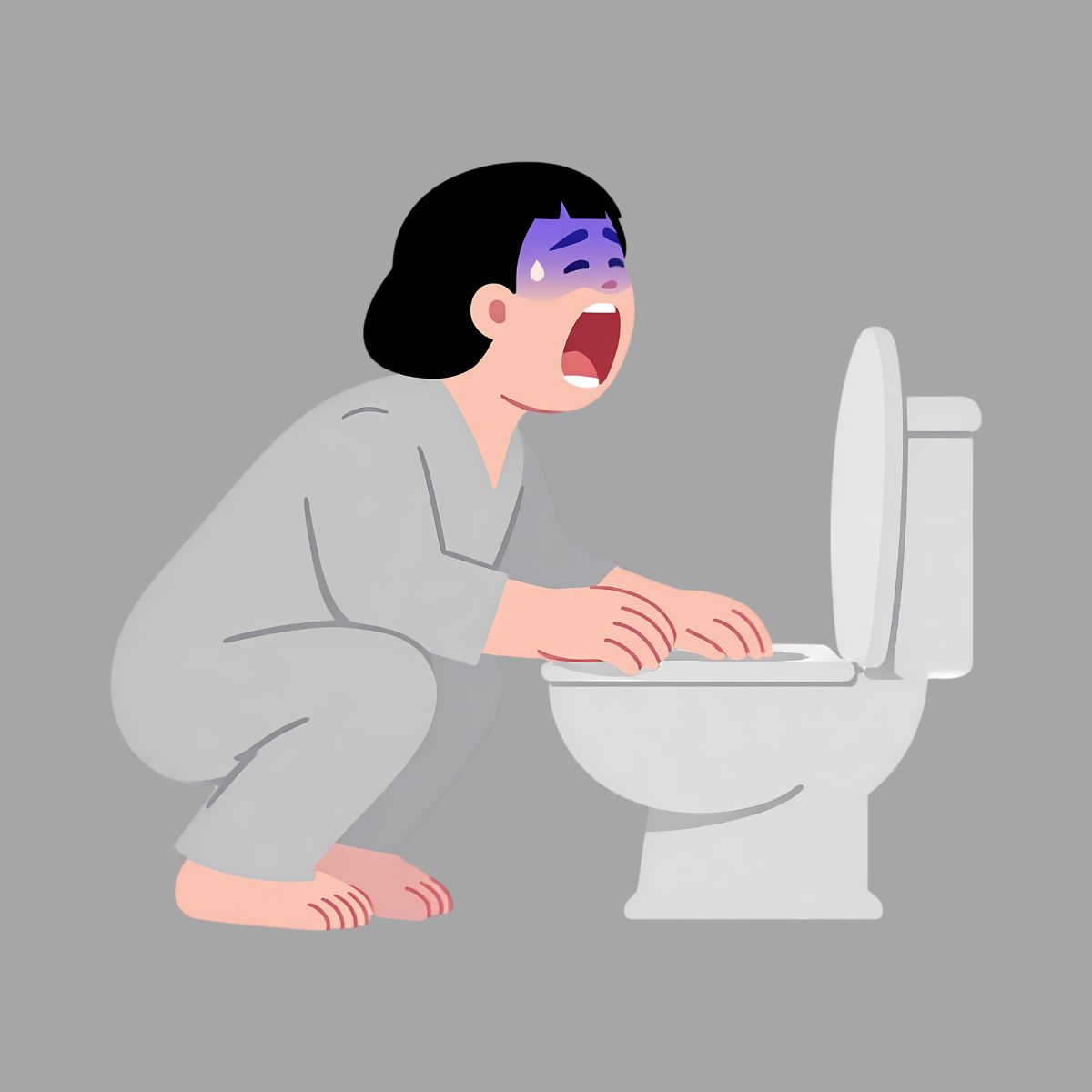
Food recall symptoms are physical signs of illness that occur after consuming contaminated, mislabeled, or unsafe food products that have been officially recalled. These symptoms typically fall under foodborne illness (food poisoning) but can also include allergic reactions or toxin-related effects.
Food may be recalled due to:
- Bacterial contamination (e.g., Salmonella, E. coli)
- Viruses or parasites
- Undeclared allergens (like peanuts or dairy)
- Chemical contamination or foreign objects (FDA – Food Recalls)
Common Symptoms of Recalled Food Exposure
The most frequently reported symptoms are similar to food poisoning and may appear within hours or days after consumption:
Digestive Symptoms
- Diarrhea
- Stomach pain or cramps
- Nausea
- Vomiting
Systemic Symptoms
- Fever
- Fatigue
- Loss of appetite
These are the most typical signs of foodborne illness worldwide (CDC – Signs & Symptoms)
Severe or High-Risk Symptoms
Some recalled foods involve dangerous pathogens or toxins that can lead to serious complications. Seek medical attention if you experience:
- Bloody diarrhea
- Persistent vomiting or inability to keep fluids down
- High fever (above ~39°C / 102°F)
- Signs of dehydration (dry mouth, dizziness, low urination)
- Neurological symptoms (blurred vision, muscle weakness, difficulty speaking)
Severe cases can lead to hospitalization or long-term complications such as kidney damage or neurological issues (CDC – Foodborne Illnesses)
Allergic Reaction Symptoms (Undeclared Allergens)
If a recall is due to undeclared allergens, symptoms may differ from food poisoning and can include:
- Hives or skin rash
- Swelling of lips, face, or throat
- Difficulty breathing
- Anaphylaxis (medical emergency)
Even small amounts of allergens can trigger severe reactions in sensitive individuals (FDA – Food Allergens)
How Quickly Do Symptoms Appear?
The onset of symptoms depends on the contaminant:
- Within hours: toxins (e.g., Staphylococcus)
- 12–48 hours: viruses like norovirus
- Several days: bacteria such as Salmonella or E. coli
- Up to weeks: infections like Listeria
Symptoms may appear quickly or be delayed, making it difficult to link illness to a specific recalled product (CDC – Food Safety)
Who Is Most at Risk?
Certain groups are more vulnerable to severe illness from recalled food:
- Pregnant women
- Infants and young children
- Elderly individuals
- People with weakened immune systems
These groups are more likely to develop complications from foodborne infections (FDA – Food Recalls)
When to Seek Medical Help
You should contact a healthcare provider immediately if:
- Symptoms are severe or worsening
- Illness lasts more than 2–3 days
- You belong to a high-risk group
- You suspect exposure to a recalled product
Early treatment can prevent complications and help identify outbreaks (CDC – Signs & Symptoms)
What to Do If You Ate Recalled Food
- Stop consuming the product immediately
- Follow official recall instructions (return or discard safely)
- Clean surfaces and utensils that contacted the food
- Monitor symptoms closely
- Report illness to local health authorities if required
Proper handling reduces further risk and helps contain outbreaks (FDA – Food Recalls Guidance)